Video Length: 72 minutes
From the minute a dog or cat sets paw inside an animal control vehicle or shelter, the clock is ticking on decisions, procedures and practices that can spell health or illness - even life or death - for that animal. Find out how decisions made in that first critical hour impact the stress response and susceptibility to disease of sheltered dogs and cats in the recorded version of The First 60 Minutes: Animal Sheltering's Critical Hour webcast, available below. You will learn:
After viewing the presentation, click here to take the quiz and receive a Certificate of Attendance!
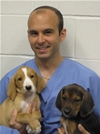
Dr. Brian DiGangi received a Bachelor of Science degree in Animal Science with a minor in Nutrition from North Carolina State University in 2001, and graduated from the University of Florida College of Veterinary Medicine (UF CVM) in 2006. While at UF CVM, Dr. DiGangi completed clinical externships in both shelter medicine and exotic animal medicine, and co-founded the University of Florida Student Chapter of the Association of Shelter Veterinarians. He volunteered at the county animal shelter on a regular basis, organized spay-neuter wet labs for veterinary students, regularly participated in a large feral cat trap-neuter-return program and fostered animals for local rescue organizations.